
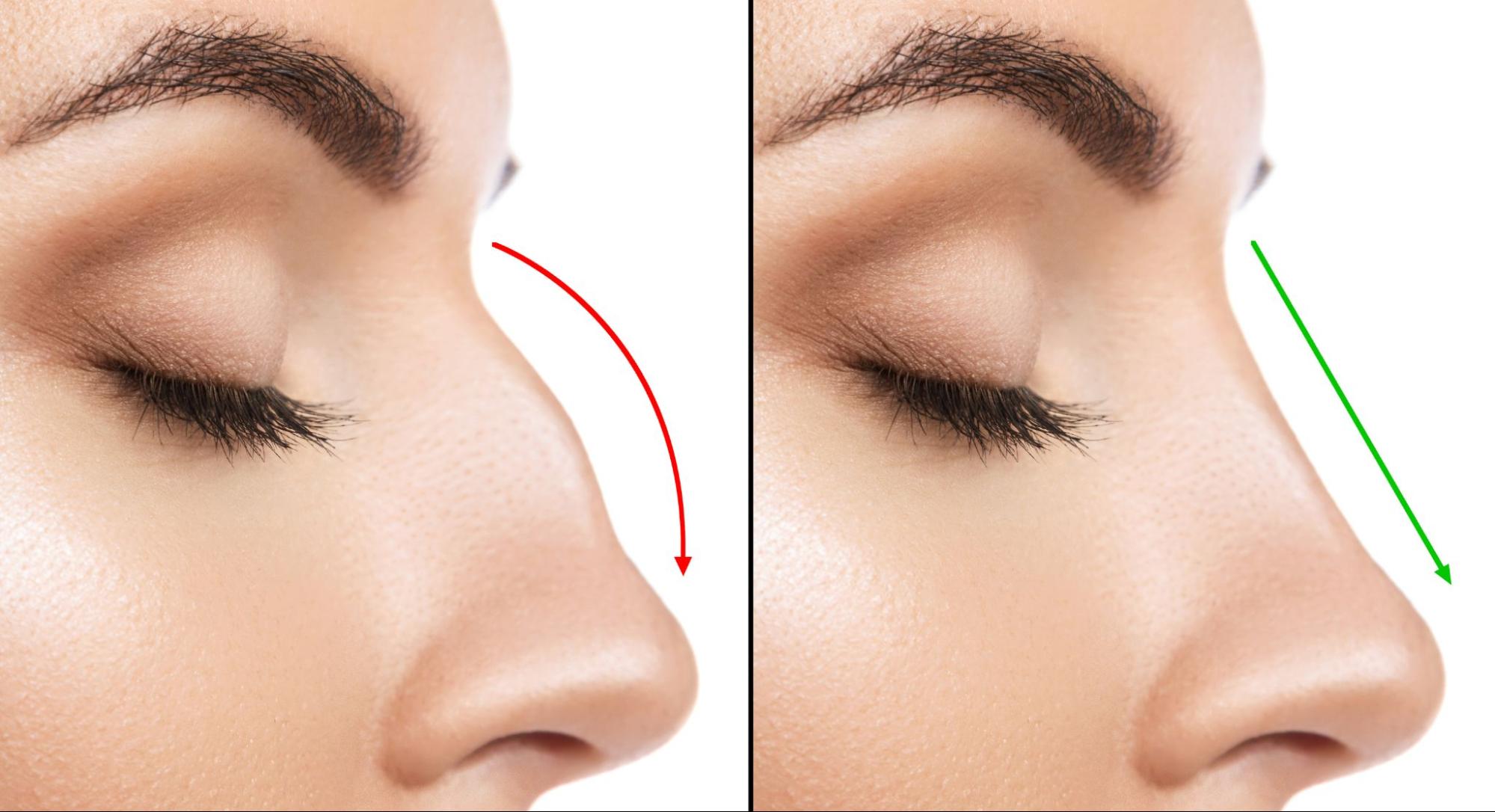
Have you ever noticed how people often describe rhinoplasty only in terms of appearance, even though many patients walk into a clinic because of breathing issues rather than cosmetic goals? This mismatch creates confusion that leaves people wondering what the surgery truly involves and what makes it medically significant. According to our editor’s research, patients who understand the functional reasons behind rhinoplasty feel more confident during consultations because they recognize that the procedure addresses airflow, structure and stability rather than surface-level changes alone. This awareness reduces hesitation and encourages healthier expectations. Rhinoplasty becomes less of a mystery and more of a structured medical process centered on restoring balance in both form and function.
Why does rhinoplasty involve more than cosmetic goals?
Rhinoplasty involves more than cosmetic goals because the nose contributes directly to breathing efficiency, airflow management and internal support. Many patients experience nasal obstruction that affects daily comfort, sleep quality and exercise tolerance. As a result of our editor’s reviews, structural issues such as septal deviation or collapsed valves are common contributors to these problems. Surgeons evaluate the inner framework of bone and cartilage carefully before planning any aesthetic changes. Focusing only on appearance risks worsening function, so modern surgeons integrate both aspects during treatment. Understanding this medical foundation helps patients appreciate the complexity of the procedure. Function and form always work together.
How do surgeons assess nasal structure before planning surgery?
Surgeons assess nasal structure through careful physical examination, internal inspection and review of breathing patterns. They observe how airflow changes during deep breaths and identify areas where the passage narrows. According to our editor’s research, assessing cartilage strength and septal alignment helps determine whether structural correction is necessary. Imaging or endoscopic examination may also be used to view deeper anatomical features. These evaluations guide safe decision-making and prevent unnecessary interventions. Patients often feel reassured when they understand that planning is methodical and based on medical need. Detailed assessment lays the foundation for predictable outcomes.
What functional problems can rhinoplasty improve?
Rhinoplasty can improve functional problems such as nasal valve collapse, septal deviation, turbinate enlargement and structural weakness from past trauma. These problems reduce airflow and cause chronic congestion. As a result of our editor’s reviews, functional rhinoplasty aims to restore stable openings that allow air to move freely. Even small corrections can greatly improve breathing comfort. Functional changes are often combined with cosmetic adjustments when appropriate. Addressing multiple concerns in one procedure helps reduce long-term complications. Patients benefit from a balanced approach that enhances function while respecting natural shape.
Why is septoplasty often paired with rhinoplasty?
Septoplasty is often paired with rhinoplasty because the septum provides central support, and correcting its alignment improves both breathing and stability. A crooked septum narrows airflow channels and creates persistent congestion. According to our editor’s research, septal correction helps ensure that cosmetic refinements do not compromise breathing. When surgeons reshape external features, internal support must remain strong. Combining both procedures reduces the need for future revision. This integrated approach ensures long-lasting structural stability. Patients appreciate how this pairing improves efficiency and comfort.
How does cartilage grafting help during rhinoplasty?
Cartilage grafting helps reinforce weak areas, support nasal valves and maintain long-term shape stability. Surgeons often use cartilage from the septum, ear or rib depending on need. As a result of our editor’s reviews, grafts stabilize the airway and prevent collapse during breathing. They also provide natural contouring that blends with existing tissue. Using the patient’s own cartilage reduces rejection risk and improves healing. Grafting supports structural harmony and reduces complications. Patients gain both functional improvement and natural-looking results.
What makes modern rhinoplasty techniques safer?
Modern rhinoplasty techniques are safer because surgical planning is personalized, tissue handling is gentler and postoperative care is more predictable. Surgeons use precise tools that minimize trauma and protect delicate structures. According to our editor’s research, open and closed approaches are chosen based on anatomy rather than surgical preference alone. Improved anesthesia and recovery protocols reduce discomfort and swelling. These innovations shorten downtime and enhance stability. Safety evolves as new medical data becomes available. Patients benefit from refined techniques grounded in evidence-based practice.
Why are patient expectations important before rhinoplasty?
Patient expectations are important because misunderstanding the purpose of the surgery leads to disappointment, even when results are medically successful. Patients must understand how structure, healing and facial balance influence outcomes. As a result of our editor’s reviews, surgeons spend time explaining realistic changes rather than dramatic transformations. Many patients discover that small refinements create significant improvement in both function and appearance. Clear expectations prevent frustration and support emotional readiness. Communication between patient and surgeon shapes success as much as surgical technique.
How does recovery influence long-term results?
Recovery influences long-term results because swelling, tissue healing and cartilage shaping continue for months after the procedure. Patients must protect the nose from pressure and avoid intense activity during early stages. According to our editor’s research, gentle care reduces risk of displacement or asymmetry. The nose gradually settles into its final shape as tissues adapt. Recovery also affects breathing comfort because internal swelling temporarily alters airflow. With proper guidance, these changes stabilize predictably. Patience becomes an essential part of the healing journey.
Why do some patients need revision rhinoplasty?
Some patients need revision rhinoplasty because healing patterns vary and structural issues may reappear over time. Minor irregularities or persistent breathing challenges sometimes require adjustments. As a result of our editor’s reviews, revisions address complications such as valve collapse, scar stiffness or asymmetry. Surgeons approach revisions cautiously because tissues are more delicate after previous surgery. Careful planning reduces risks and improves outcomes. Revisions are not signs of failure but responses to natural variations in healing. Honest communication helps patients understand this possibility.
What emotional factors influence rhinoplasty decisions?
Emotional factors influence decisions because the nose affects self-image and breathing comfort simultaneously. Some patients feel anxious about surgery because they fear dramatic changes. Others worry about recovery length or postoperative discomfort. According to our editor’s research, emotional readiness improves when patients feel heard, informed and supported. Understanding the medical purpose of rhinoplasty helps reduce cosmetic pressure. Emotional preparation leads to smoother recovery and healthier expectations. Surgery becomes a balanced decision rather than an impulsive choice.
How can patients prepare effectively for rhinoplasty?
Patients prepare effectively by learning about the procedure, discussing concerns openly and following pre-surgery instructions. Avoiding certain medications, arranging support at home and establishing realistic expectations all matter. As a result of our editor’s reviews, hydration, rest and planned recovery time help improve outcomes. Patients who understand the postoperative timeline stay calmer during temporary swelling or congestion. Preparation strengthens the partnership between patient and surgeon. This partnership guides the experience from start to finish.